The Figma Opportunity
Figma has changed the entire industry. But it's poised to be replaced just as it's headed to an IPO.
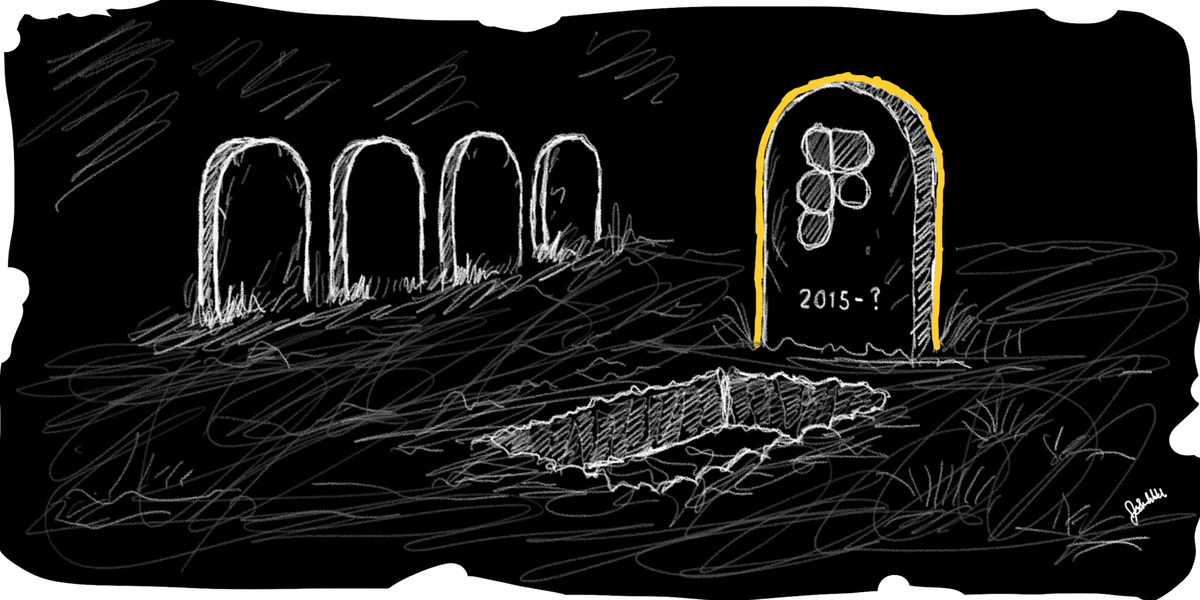
Figma is about to IPO, and all signs point to things going well for them. I'm happy for the amazing folks who built this from nothing over the last decade.
It's been a crazy journey, and hopefully they net out well; especially with the failed acquisition by Adobe.
But I don't think they're right for where the industry is headed longterm. I've written recently about how designers shouldn't design in Figma first. Longterm, I think they won't use it at all.1
What is Figma?
It's the greatest collaborative product design tool ever created for designers. It does what you'd expect on the tin. It's Google Docs, but for design.
If you have an idea you want to flush out, and take to high-fidelity, Figma is right there for you; and nails so many intricate details perfectly.
A decade ago I refused to try it out.
I'd been on Sketch, fumbling through its inane workflows. I'd tried XD, a true joy, but limited in scope. InVision struck my fancy, but it was slow as hell. Up until 2015 good old Illustrator was my trusted web designer. That's right, I was making websites and apps in Illustrator. It worked best for how my brain thought.
Then a colleague (thanks Maxim!) talked up Figma. He couldn't stop sharing about how it'd make my life better. I didn't believe him. But he persisted, and finally I switched.2
I learned the tool, built apps, made websites, and shifted my mindset over to thinking in components, boards, a massive canvas, and live collaboration. It matched how my brain operated. At the same time I also doubled down on my sketching mindset, taking idea briefs through hand drawn iterations before pulling them into Figma.3
Drawing by hand plus Figma served me well.
But it's 2025, and things have changed, again.
We won't see the industry shift right away. But ultimately, I believe this particular app is headed toward the graveyard where all the other great tools of old went.4
Why?
Because the more time designers spend in Figma, the less time they spend testing in the real world; shipping code, building ideas, hearing from users, and wrestling through all the tiny important details that matter in a system created for interaction; not for static viewing. Yes, you can eventually, painstaking, recreate all the elements you'd need in Figma and make things animate and somewhat interact. But it's a failed, imperfect, version of the real thing in code. This is a specialty designer type role at the moment, a person who has put in the untold hours knowing how to make things just right in a canvas that is ultimately just a playground. But it's not a sustainable position, it's not what designers of the future will learn.
I've seen projects fail, companies fall apart, teams split—because cross collaboration between product, design, and engineering fell apart.5 This wasn't specifically because of Figma. But it wasn't not because of that. Things can get so bad that design and engineering treat the Figma project like a ten foot wall for comments to be chucked over; messages sent back and forth like bits of dung flung with emphasis to prove one side right.
Real projects live in code, in the hands of the people using them. Figma is an amazing facsimile. And because of that, short term it will be fine.
They've stolen the market for product design, and for a while they'll ride that high.
But things are shifting. I don't believe they'll be the landing place for future designers—and designers may not even exist in the way we imagine them now.
I've been trying for years to get away from Figma; looking for ways to speed up my process and deliver results, without this app as necessary middleware.
The answer, which is unlikely to surprise you (given my most recent posts), is that there may be a future where idea > LLM > sketch > code becomes the reality. The ideation process is getting so quick in ChatGPT, Claude, Replit, Grok, that it's crazy not to throw well written prompts into these chat bots and test the output.
Over the last week I've continued to run my typical design process. I review the brief, connect with colleagues about desired outcomes, sketch and iterate, take the ideas into Figma, and work with engineers to see the final output in code. That process works, and I don't see myself giving it up short term.
But I've also been chucking ideas into chatbots as side loops, and pulling the results forward into my sketches. Because of the interview process method I learned, I'm now bringing additional context into the briefs, asking more questions, and using that to flush out detailed sketches faster than ever.
That doesn't mean the prompt outputs are perfect.
They're messy and get half the things wrong. But they're getting a lot of things right, and reminding me of details I could easily miss. Taking that, adding it to my sketching process, and working these ideas into the projects as a whole, has super charged how I work as a designer. This reminds me of previous inflection points in my career, like the day I realized Illustrator was outdated.
Now, if Figma can figure out how to inject themselves into this flow, things might go a different direction. But right now they are an additional step in a fast collapsing process that eliminates design and engineering as we traditionally see it.
So where do we go from here?
As designers, keep using Figma, but recognize that a day will come when it won't be the default process, where we'll move faster without it, and hopefully get ideas shipping in code without unnecessary detours.6
Component libraries, auto layout, massive canvas, live collaboration, design systems, unlimited plugins; all these have flourished under Figma's care; and entire ecosystems abound to help designers and product managers think quickly and visualize ideas. But ultimately this has become fragile, and in one sweeping change its replacement won't be more design software, but rather a design process that bypasses design apps altogether.
Designers, founders, and engineers alike should consider how they can move away from this tool as it stands today, and shift to a world where shipping ideas into code is frictionless.7
My hope for Figma, a tool I find both frustrating, and endearing, is they can find a way to disrupt themselves and embrace the future before the market shifts away entirely.
- Please note, this is not stock picking advice. I would never dare to try and do that. Personally I only invest in index and mutual funds, and let the market figure it out on the whole.
- Also, thanks to Chris for pushing me over the hill on auto-layout. Boy did I fight that one hard. What an amazing feature.
- One tiny, tiny, example for why Figma beat everything else on the market at the time—the sidebar that understood what you needed, and provided the right tools at the right time. The Adobe's nightmare of a hundred panels all fighting for space was over. That alone, though it took some muscle memory training, won me over.
- Intel has been a decade in slowly becoming replaced, while at the same time having amazing results in the stock market
- I'm thankful to be working with engineers and product managers who get it, who we're on the same team pulling together. Years ago I worked with a team where only one side had all the pull, and things didn't go well (I shan't say which side it was).
- It's still the best software out there for projecting ideas into a space that can be manipulated and played with, prior to writing a line of code. In some situations that's still the best way to go, some teams aren't setup to go from idea to sketch to code.
- And I haven't even mentioned Canva, which has fast become the resource for graphic design. Is it better than a great designer? No. But it's cheaper, 100x cheaper. Them moving into product design could be fascinating.